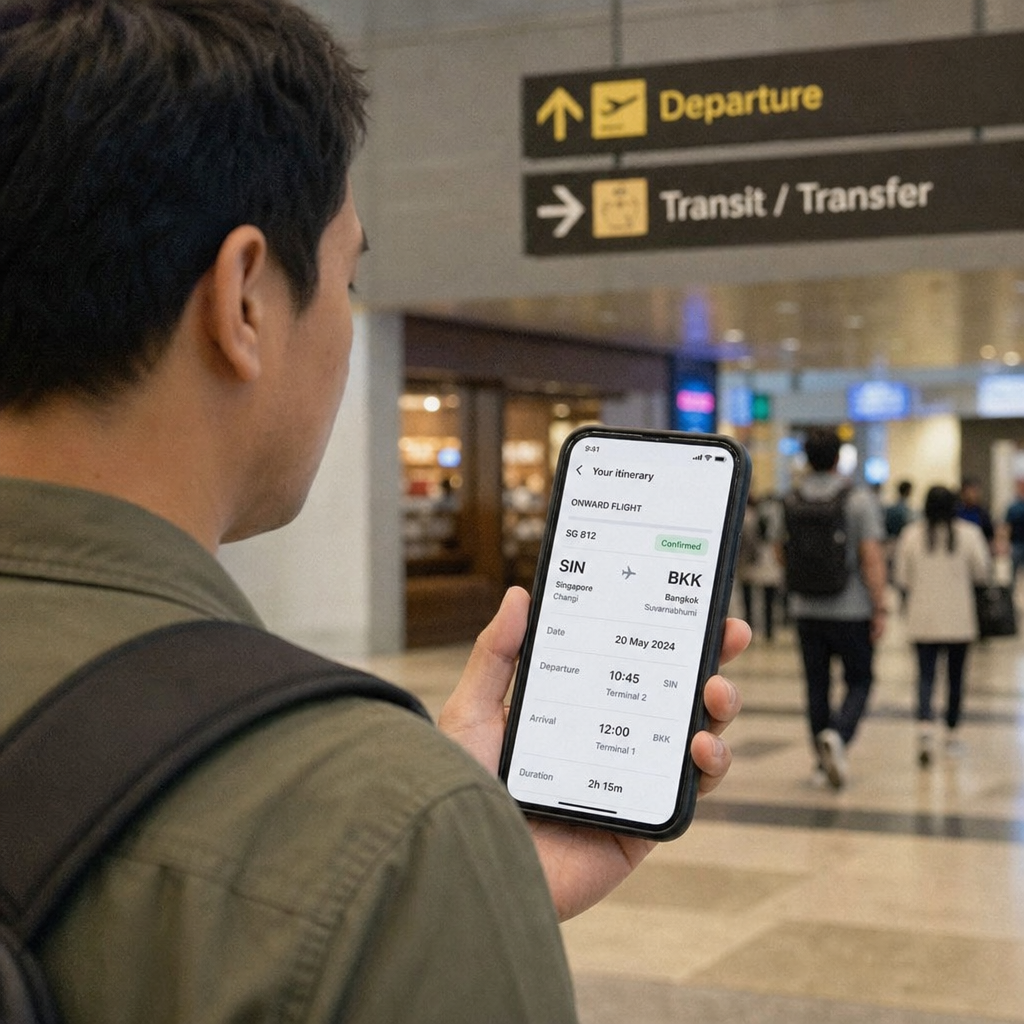
A flight reservation for a visa application is usually a temporary itinerary that shows your intended travel dates, route, passenger name, and booking reference without requiring you to pay for a full ticket upfront. It helps a consulate or visa center understand your travel plan while reducing the risk of losing money if your visa is delayed or refused. The key is to submit a genuine, consistent, and checkable document that matches the rest of your application.
Do you need to buy a flight ticket before applying for a visa?
In many cases, you do not need to buy a paid flight ticket before your visa decision, and some official checklists specifically warn applicants not to purchase tickets before approval. For example, Schengen-related guidance commonly refers to a flight reservation or round-trip reservation rather than a fully paid ticket, and some VFS or embassy checklists state that buying the ticket before the visa decision is not recommended. Always follow the exact checklist for the country, visa type, and application center handling your file. (vfsglobal.com)
That is why many travelers search for a flight ticket reservation for visa instead of paying for a non-refundable fare. A reservation can show the planned journey without turning your application into a financial gamble. Still, it should not be treated as a shortcut or a fake document. Your travel plan must make sense, match your purpose of visit, and align with your accommodation, leave approval, insurance, and cover letter.
What a flight ticket reservation for visa actually shows
A flight ticket reservation for visa is a travel itinerary created for the application stage. It normally includes your full name, departure and arrival cities, dates, airline details, flight numbers, and sometimes a booking reference or PNR. Depending on how it is issued, the reservation may be held temporarily and may expire after a short period.
This is different from a fully issued ticket. A paid ticket usually means the fare has been purchased and ticketed, while a reservation may only hold or display the itinerary for a limited time. In everyday searches, people may call this a ticket for visa, flight booking for visa, visa flight booking, or flight reservation visa. These phrases often point to the same basic need: proof of intended travel for a visa file.
The wording matters because embassies and visa centers may use different terms. One checklist may say “flight reservation,” another may say “travel itinerary,” and another may ask for a “round-trip booking.” If your document clearly shows your route, dates, and identity, it is usually more useful than a vague screenshot or an edited PDF.
Why consulates ask for flight plans
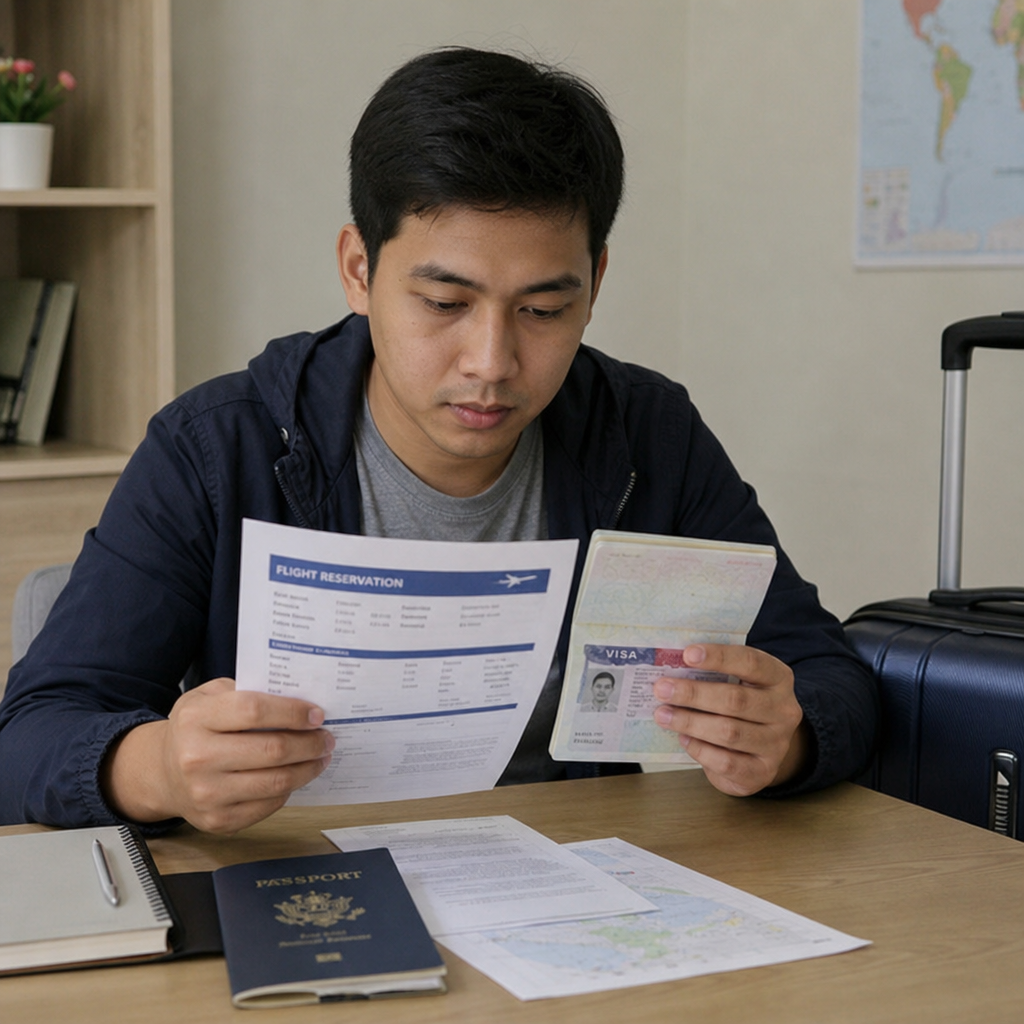
Visa officers use travel documents to understand whether your trip is realistic and temporary. A flight plan supports the story you are already telling through your application form, hotel booking, invitation letter, employment documents, financial proof, and travel insurance. For Schengen applications, official EU information explains that applicants must submit within defined timing windows, and supporting documents help show the purpose and conditions of the intended stay. (home-affairs.ec.europa.eu)
A flight itinerary also helps identify obvious inconsistencies. If your form says you will spend seven days in France, but your flight reservation shows a three-week trip through several countries, the file may raise questions. If your hotel dates start after your arrival date or your return flight is earlier than your planned activities, the application looks careless.
The goal is not to impress the visa officer with expensive flights. The goal is to present a clear, believable plan. A simple economy itinerary that matches your stated purpose is usually stronger than a complicated booking that creates confusion.
Flight reservation, purchased ticket, and dummy ticket
These terms are often used loosely, but they do not always mean the same thing. Understanding the difference can help you avoid unnecessary risk.
Flight reservation: A temporary booking or itinerary showing intended flights. This is often what applicants need when a checklist asks for a reservation flight ticket for visa or flight itinerary.
Purchased flight ticket: A fully paid and issued ticket. Some travelers buy refundable tickets, but refund rules vary and can include conditions, fees, or delays.
Dummy ticket: A common informal term for a temporary itinerary used for visa purposes. A dummy airline ticket for visa should never mean a forged, edited, or misleading document.
Proposed itinerary: A planned route that may not be formally held in an airline system. Some visa categories or countries may accept this, while others may expect a more formal reservation.
The safest approach is to avoid anything fake. Official Schengen communication has warned applicants to provide genuine flight and hotel reservations that match actual travel plans and to avoid fraudulent agencies making false promises. (eeas.europa.eu)
Schengen applications need extra consistency
A flight ticket reservation for Schengen visa should reflect the country where you are applying and the route you describe in your file. If you will visit several Schengen countries, your itinerary should support your main destination, first entry point, travel sequence, and return plan. Do not create a flight booking that contradicts your hotel reservations or day-by-day itinerary.
Schengen applications can be especially detail-sensitive because the travel area includes multiple countries under a shared visa framework. If your first entry is Italy, your longest stay is Spain, and your application is submitted through France without a clear reason, the file may look inconsistent. Your flight reservation does not need to be complicated, but it should make the route easy to understand.
Also remember timing. A reservation that expires long before your appointment may be less useful than one that is active near submission. Requirements vary by consulate and service provider, so check the latest local checklist before you pay for any flight booking visa service or itinerary provider.
How to arrange a flight booking for visa documents
A good flight booking for visa starts with your real travel plan, not with the cheapest random route. Before requesting a reservation, decide where you will enter, how long you will stay, whether you need internal travel, and when you realistically plan to return. Then make sure the itinerary supports your visa type.
Use this practical process:
Read the official checklist first. Confirm whether your visa category asks for a flight reservation, paid ticket, proposed itinerary, or no flight document at all.
Match your application dates. Your departure and return should align with the dates on your form, cover letter, accommodation, and insurance.
Use your passport name exactly. Spelling differences can create avoidable doubts.
Choose a realistic route. Avoid unnecessary stopovers, strange country combinations, or dates that do not fit your purpose.
Check the reservation validity. If the booking expires before your appointment, ask whether it can be refreshed or reissued.
Keep copies of everything. Save the itinerary, confirmation email, and any payment receipt from the provider if applicable.
This process applies whether you call it a flight ticket for visa, a visa itinerary, or a temporary reservation. The label matters less than the accuracy and credibility of the document.
Details to review before submission
Small errors can weaken an otherwise strong application. Before you upload or print your flight ticket reservation for visa, review it carefully.
Checklist:
Your full name matches your passport.
Travel dates match your visa form and cover letter.
Arrival and departure cities fit your stated itinerary.
The route supports the country where you are applying.
Hotel or host dates cover the same travel period.
Travel insurance, if required, covers the full stay.
The reservation looks professional and readable.
Any booking reference is shown clearly if provided.
You have not edited, altered, or fabricated the document.
You understand whether the reservation is temporary or ticketed.
If something changes after submission, follow the instructions from the embassy, consulate, or visa center. Do not assume you can casually swap countries, dates, or routes without consequences. A visa is often issued based on the information you provided, so your final travel should remain consistent with the approved purpose and conditions.
Common mistakes to avoid
The biggest mistake is buying a non-refundable ticket too early when the checklist only asks for a reservation. That can create financial stress if processing takes longer than expected or the visa is refused. Another common mistake is submitting a fake-looking dummy airline ticket for visa from an unreliable source, which can damage credibility.
Applicants also run into trouble when they treat the flight document as separate from the rest of the file. A flight reservation visa document should not show one story while your bank statements, employer letter, and accommodation show another. Consistency is one of the easiest ways to make your file easier to review.
Avoid these problems in particular:
Booking dates that exceed your approved leave from work or school.
Using a one-way itinerary when the visa type expects evidence of return.
Choosing a destination that does not match your main stay.
Submitting expired reservations without checking whether they are still acceptable.
Believing any agency that claims it can guarantee approval.
No flight reservation provider, travel agent, or visa center can guarantee a visa decision. VFS Global, for example, states that it has no role or influence over visa application decisions. (vfsglobal.com)
A smarter way to think about visa flight booking
A visa flight booking is not just a document to tick off a checklist. It is part of the overall evidence that your trip is planned, temporary, and credible. The best reservation is simple, accurate, and aligned with the rest of your documents.
If you are unsure whether to submit a paid ticket, temporary reservation, or proposed itinerary, choose caution. Read the official instructions, avoid fake documents, and do not spend more than necessary before the visa decision. For many applicants, a properly prepared flight ticket reservation for visa offers the right balance: it supports the application without forcing an early ticket purchase.
The takeaway is straightforward: plan first, reserve second, and buy only when it makes sense. A clear and genuine flight ticket for visa can make your application easier to understand, but it cannot replace the fundamentals of a strong file: truthful information, consistent documents, and a travel plan you can actually follow.