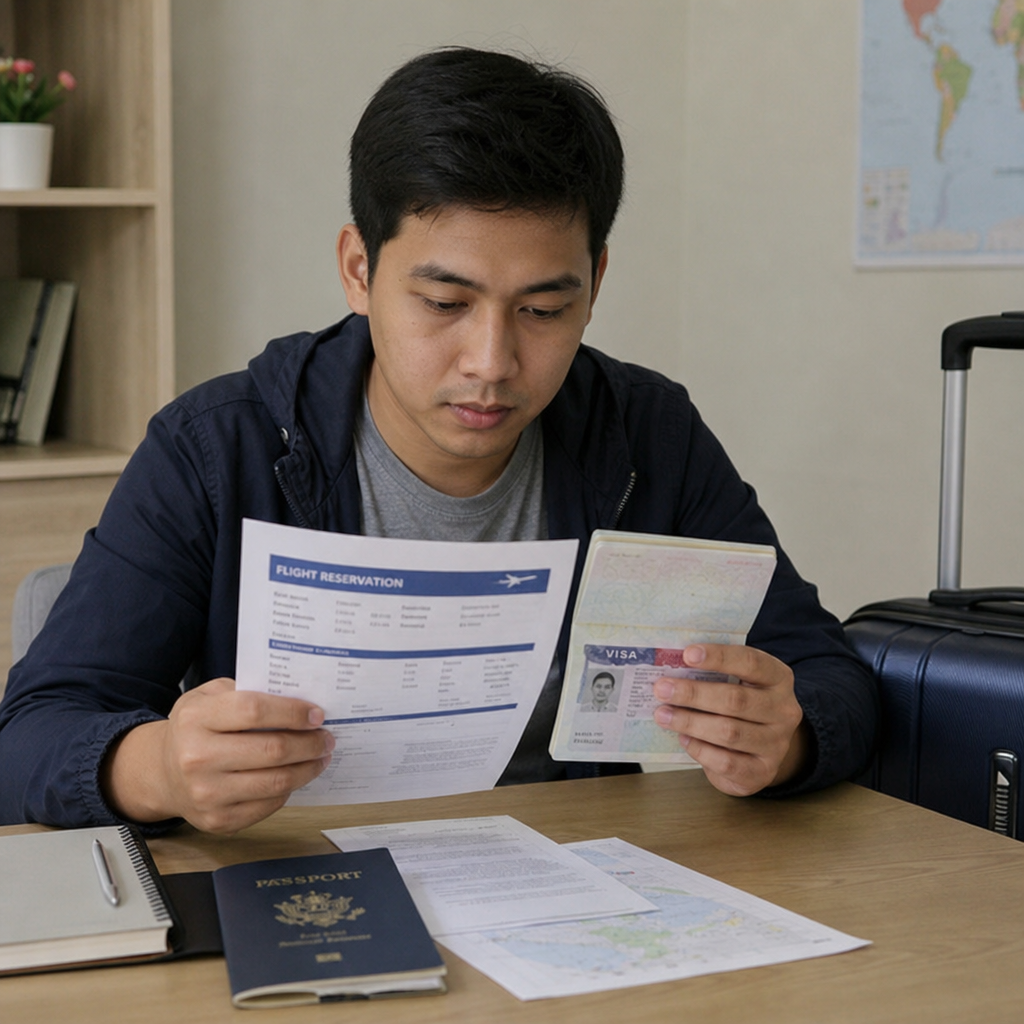
Finding the right onward ticket is about proving your travel plans without locking yourself into the wrong flight. Whether you need a document for immigration, airline check-in, or a visa flight reservation, the goal is to choose an onward ticket service that is clear, reliable, and easy to use. This guide explains what to look for, what to avoid, and how to compare options before you book.
What makes an onward ticket useful?
An onward ticket is useful when it clearly shows that you plan to leave your destination within the expected time frame. In practice, that usually means a real flight reservation or ticketed return travel itinerary with your name, route, dates, and booking details presented in a professional format. The best onward ticket is not simply the cheapest option; it is the one that matches your travel situation, arrives quickly, and looks easy for an airline or border officer to understand.
Travelers often need proof of onward travel when entering a country on a tourist visit, applying for certain visas, or checking in for a one-way international flight. Requirements vary by destination and airline, so the safest approach is to check your airline’s guidance and the official entry rules before departure. An onward ticket does not replace a visa, passport, or entry permission, but it can help support the travel plan you are presenting.

Understand why proof of onward travel matters
Proof of onward travel helps officials and airlines see that you do not intend to overstay. If you arrive with only a one-way ticket, some carriers may ask for evidence that you will continue to another destination or return home. This can happen before you even board, because airlines may be responsible for transporting passengers who are denied entry.
That is why many travelers look for onward flights or temporary reservations before a trip. Digital nomads, backpackers, students, and long-term travelers often want flexibility, but they still need a clean itinerary to satisfy a travel requirement. A good onward ticket service fills that gap by providing documentation for a planned exit route while allowing you to keep your broader journey flexible.
The key is to be honest and practical. Your itinerary should make sense for your route, stay length, and destination. For example, if you plan to spend three weeks in one country before moving on, an onward flight dated near the end of that stay is more logical than a random route that does not fit your plans.
Start with your actual travel need
Before comparing providers, define exactly what you need the onward ticket for. A visa flight reservation may require different details than a simple check-in document. Some travelers need a one-way onward flight to a neighboring country, while others need a round-trip or ticketed return travel itinerary showing they will come back to their starting point.
Ask yourself these questions before booking:
What is the document for? Airline check-in, visa application, border entry, or personal planning.
Which route makes sense? Choose a destination you could realistically travel to after your stay.
What date should appear? Match the date to your allowed stay, visa conditions, or planned departure window.
How quickly do you need it? If your flight is soon, delivery speed becomes more important.
What name and passport details are required? Enter information carefully to avoid mismatched documents.
This simple planning step can prevent rushed choices. It also helps you avoid buying an onwardticket that does not fit the requirement you are trying to meet.
Choose a provider that explains the process clearly
A reliable onward ticket service should make the booking process easy to understand from the first page. You should be able to see what you will receive, how long delivery typically takes, what information you need to provide, and what happens if there is a problem. If a website is vague about the document type or avoids explaining how its service works, treat that as a reason to slow down.
Look for clear language rather than exaggerated promises. No provider can guarantee entry into a country, because immigration decisions depend on many factors. A trustworthy service will usually describe its role more realistically: it provides an onward flight reservation or itinerary that may be used as supporting travel documentation.
When comparing options, you may see names written in different ways, such as onward ticket com, onwardticket, or similar search terms. Do not choose only because a name appears familiar in search results. Review the service details, support options, delivery expectations, and refund or correction policy before submitting your information.
Compare the details that matter most
The best onward ticket for one traveler may not be the best for another. Someone applying for a visa may care most about itinerary format and validity period. Someone already at the airport may care most about fast delivery. Instead of choosing randomly, compare each service using practical criteria.
Key details to check include:
Reservation format The document should look like a proper travel itinerary, with passenger name, departure and arrival airports, dates, flight numbers if provided, and booking or reservation details.
Delivery time Some situations are urgent. If you need proof before check-in closes, make sure the provider can deliver within your available window.
Validity window Some reservations may remain active only for a limited time. Choose timing that fits your visa appointment, airport check-in, or arrival date.
Route flexibility A useful service should let you choose onward flights that match your real travel direction instead of assigning an unsuitable route.
Support availability If your name is misspelled or your itinerary does not arrive, responsive support matters. Check how the provider handles corrections.
Transparent pricing Avoid surprises by reviewing the total cost before payment. The cheapest option is not always the best if it lacks support or clarity.
Privacy practices You may need to provide personal travel details. Use services that explain how your information is handled and avoid sharing unnecessary data.
A careful comparison takes only a few minutes, but it can make the difference between a smooth check-in and a stressful last-minute scramble.
Should you use a temporary reservation or buy a refundable ticket?
A temporary reservation is often convenient for travelers who need proof of onward travel without committing to a full ticket. A refundable ticket can be a good option for travelers who want direct control through an airline, but it may require more money upfront and careful attention to refund rules. The right choice depends on your budget, timing, destination requirements, and comfort level.
Temporary onward ticket services are popular because they are simple. You choose a route and date, pay a smaller fee, and receive an itinerary for use as travel documentation. This can work well when you are still finalizing your trip or traveling through multiple countries.
Refundable tickets can feel more secure because they are purchased directly from an airline or travel agency. However, refund policies vary, and some fares advertised as flexible may still include fees or conditions. If you choose this route, read the fare terms closely and keep a record of cancellation deadlines.
There is also a third option: booking your actual next flight. If your plans are firm, this is usually the cleanest solution. You avoid temporary documents altogether and have a real onward journey ready. The downside is reduced flexibility if you later change your route.
Avoid common onward ticket mistakes
Many onward ticket problems come from small errors rather than the service itself. Misspelled names, wrong dates, unrealistic routes, and late orders can all create unnecessary stress. Treat your onward ticket like any other travel document and review it carefully.
Common mistakes to avoid:
Booking for the wrong date. Your onward date should fit your visa or permitted stay.
Using an impossible route. A random flight to a faraway country may raise more questions than it answers.
Waiting until the last minute. Even fast services need processing time, and airport Wi-Fi is not always reliable.
Ignoring airline rules. Some airlines check documents more strictly than others.
Assuming one document solves everything. You may still need accommodation details, funds, insurance, or visa approval.
Entering details carelessly. Your itinerary should match your passport and travel documents.
A good habit is to download the itinerary, save it offline, and keep a screenshot on your phone. If you are asked for proof at check-in, you will not have to search through email under pressure.
Match the itinerary to your travel story
Your onward ticket should support a simple, believable travel plan. If you are flying into Thailand and planning to continue to Vietnam, an onward flight from Bangkok to Ho Chi Minh City may make sense. If you are visiting family for two weeks, a ticketed return travel itinerary to your home country may be more appropriate.
Think about how your documents fit together. Your arrival date, accommodation, visa length, and onward route should not contradict one another. You do not need to overexplain your plans, but you should be able to answer basic questions calmly and consistently.
This is especially important for long-term travelers who prefer open-ended trips. Flexibility is normal, but border and airline staff often work from fixed documents. A clear onward itinerary bridges the gap between flexible travel and formal entry requirements.
Look for support before you need it
Customer support may not seem important until something goes wrong. If your flight is tomorrow and your itinerary has the wrong spelling, you need a provider that can respond quickly. Before choosing an onward ticket service, check whether it offers a visible contact method and explains how corrections are handled.
You do not need to send a long message before booking, but you can look for signs of professionalism. Clear instructions, helpful order forms, and realistic delivery language are all positive signals. If the checkout process feels confusing or the site makes bold claims without detail, consider another option.
Support also matters when you are using the document for a visa flight reservation. Visa applications may have specific formatting expectations, and you may need the reservation before an appointment. Give yourself enough time to review the document and request changes if necessary.
Keep copies organized and accessible
Once you receive your onward ticket, store it in more than one place. Email is useful, but it should not be your only copy. Save the PDF or image to your phone, upload it to secure cloud storage, and consider printing a copy if you are traveling through airports where document checks are common.
A simple travel document folder can include:
Passport copy and visa approval, if applicable
Onward ticket or onward flights itinerary
Accommodation confirmation
Travel insurance documents, if required
Return ticket or ticketed return travel itinerary
Emergency contact details
Keeping these items together reduces stress during check-in and arrival. It also helps you notice inconsistencies before someone else does.
Final takeaway
Finding the best onward ticket is not about picking the first result or the lowest price. It is about choosing a clear, realistic itinerary from a service that explains what it provides, delivers on time, and supports your actual travel plan. Whether you search for onward ticket com, compare an onwardticket provider, or book directly through an airline, focus on accuracy, timing, and credibility.
Before you travel, confirm the rules for your destination, choose a route that makes sense, and keep your documents easy to access. A little preparation can turn proof of onward travel from a last-minute problem into a simple part of your journey.